
The Death Card
Death? Or reinvention? Or transition? Or rebirth? Or death?

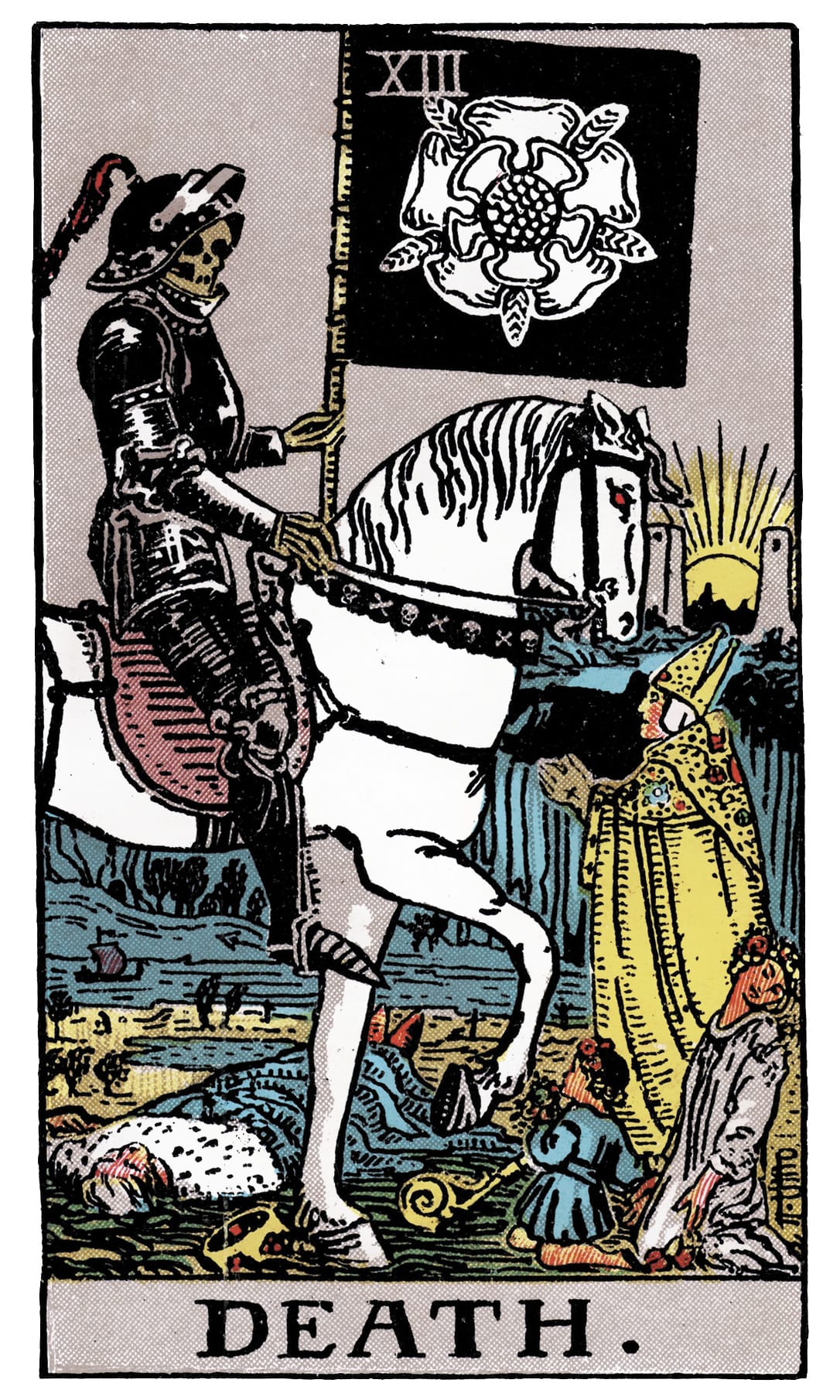
I recently had my tarot cards read, and I drew the Death card—ominous for me given some of my health problems—but then I started to ponder the card’s meaning in different ways.
Such as what does it mean to shed one’s self and open the door to a different self? Or what it does it mean to probe the resistances we feel in life (and writing), resistances to the things we need to leave behind, whether it’s a troubled relationship, a troubled story, or the rotting vegetables in our fridge that we know will not return to life1.
The Death card, in fact, doesn’t mean death, but transition. Historically, some decks omitted the name entirely, calling it “The Card with No Name”—suggesting a broader meaning than literal death. Other decks have titled it “Rebirth” or “Death-Rebirth.” So the Death card is actually a type of “catalyst moment”—a pivot, a change, a transformation.
I love “The Card with No Name” because death itself is so unknown and mysterious that it’s human folly to try to name it and claim it. (Also, what a good title for a novel.)
“The skeleton represents the part of you that cannot die, the core essence that remains once false identities, roles, and attachments fall away.”
I enjoyed interpreting the images on my Death card. The skeleton in black armor, weary from fighting for a life or an idea? Or ready to fight for the next life, the next becoming? Or somehow both.
The Death card serves to remind us that fallow periods, endings, and “deaths” of projects and people are part of the natural cycle—that winter must come before spring.
The Death card and the creative process
The Death card is worth pondering when it comes to writing. There’s the old saw about “killing your darlings,” of course—cutting what no longer serves the work, no matter how attached you are to it. The reversed Death card represents “blocked creative energy and resistance to the natural cycles that allow new possibilities to emerge.”
When we cling too tightly to specific outcomes or refuse to let projects evolve naturally, we block the flow.
Think about how you might hold onto drafts, creative approaches, or ideas past their expiration date. Reflect on the fear that stops you from making bold revisions, changing direction, or abandoning projects that aren’t working.
Dying to old versions of ourselves, our work
In many ways, writing a story is its own type of Death card. Just as the card promises rebirth after endings, the creative process demands that we “die” to old versions of ourselves, old ideas, old drafts.
The Death card is especially potent for memoir writers: it asks us to let the versions of ourselves we’ve outgrown die, the stories we’ve told ourselves that no longer fit, the identities we’ve clung to.
As one tarot reader put it: “The skeleton represents the part of you that cannot die, the core essence that remains once false identities, roles, and attachments fall away.”
To write is to undergo the Death card’s transformation—to allow the old self to die on the page so a truer self can emerge in the telling.
Writing prompt: The Death card’s questions
The Death card asks essential creative questions.
What am I resisting to let go of, even though I know it no longer serves my growth?
How has avoiding necessary endings created more suffering than embracing them would?
What wants to be born in my life/work that can’t emerge until I make space by releasing what’s complete?

Please help me publish this newsletter?
Tarot cards as creative conduit
I’ve known writers who use tarot cards as writing prompts. You might pick one card a day and simply write a short flash piece or a poem to it—or use it as a lens to explore your memoir or novel. Tarot cards are an invitation to the mysterious, the mystical, and I love wafts of the mysterious in my writing and reading.
Jessa Crispin, author of The Creative Tarot, offers this perspective on thinking of yourself as a creative conduit via tarot cards:
“Instead of thinking of yourself as a godlike creator, think of yourself as a conduit: channeling the inspiration of a muse, be it some higher power or the random collision of atoms, the art of divination or the unpredictable draw of a card.”
Italo Calvino called the tarot “a machine for writing stories.” Calvino actually wrote a novel called The Castle of Crossed Destinies that was directly inspired by tarot cards. In the book, travelers who have lost their speech use the cards to recount their tales, with the narrative unfolding based on the arrangement of the cards.
For more, check out Corrine Kenner’s book Tarot for Writers.
Upcoming book events
January 27: Pegasus Books, Berkeley, CA
January 29: City Lights, San Francisco, CA
January 30: Copperfield’s Books, Petaluma, CA
February 3: Sausalito Books, Sausalito, CA
February 5: Poetry in Davis, Davis, CA
February 8: Golden Era Lounge, Nevada City, CA
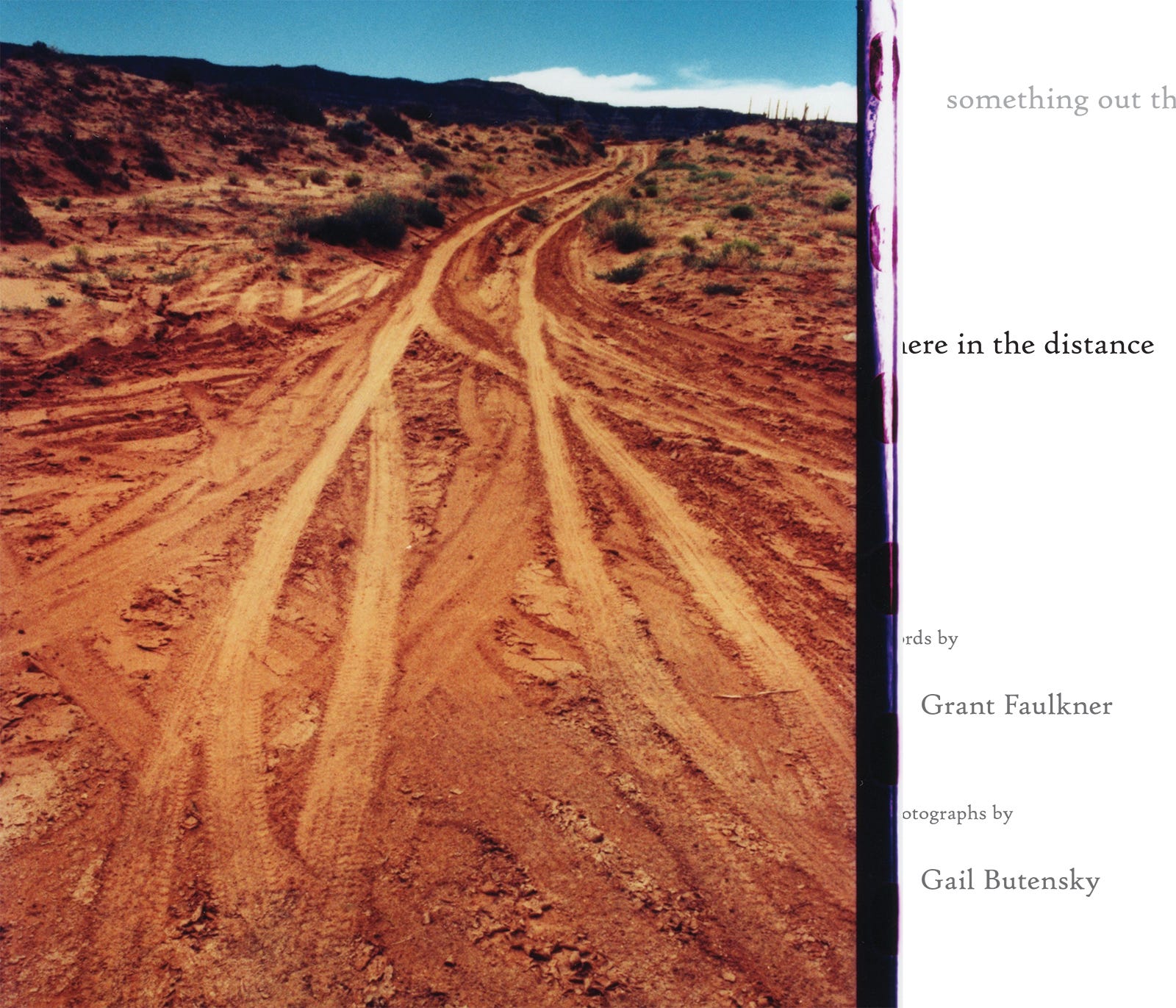
Because a photo prompt
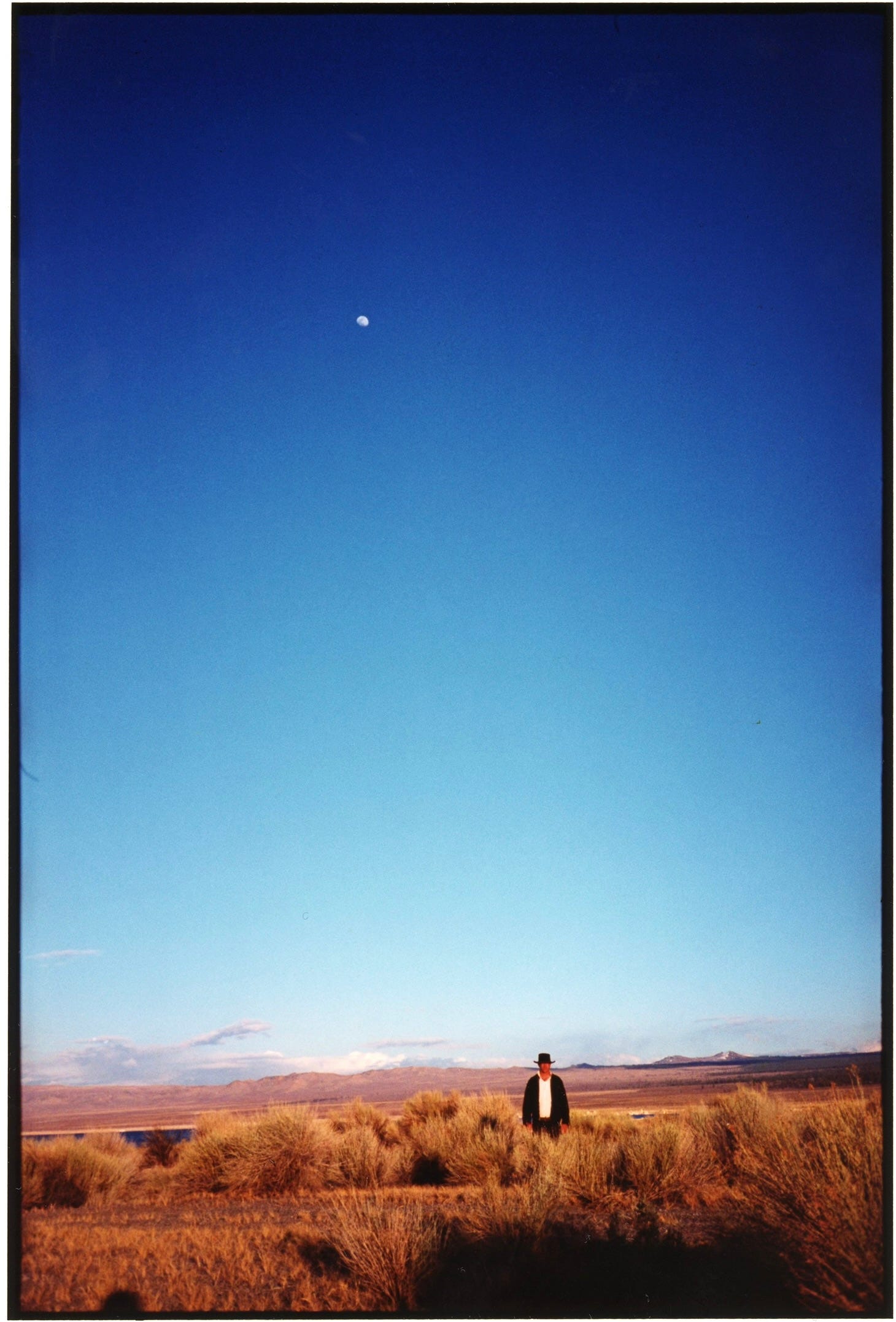
Gail Butensky, my photo-story collaborator with our new book, something out there in the distance, has been taking photos of her husband, Greg, on their road trips for years and tagged them #Where’sGreg.
Ask yourself that question and write a story to this photo.
I’m so reluctant to throw out bad food because it fills me with guilt for having failed the food.
"Death? Or reinvention? Or transition? Or rebirth? Or death?" ALL OF THE ABOVE!
I love playing with the serendipity of Tarot or oracle cards, both for writing and for contemplating life. And I've drawn Death several times. We get so tied up in knots about literal death (myself included!) that it's hard to remember that it really *is* just transformation--albeit of that thing we have so much difficulty letting go of: self/ego.
Looking forward to seeing you at Copperfield's!
"...to allow the old self to die on the page so a truer self can emerge in the telling."
I can relate to this so much. Writing about my life feels like an excavation, with each layer revealing something truer beneath the last. Sometimes it's liberating, sometimes discouraging, but always enlightening.